Spine Surgery
Cervical Spine Surgery
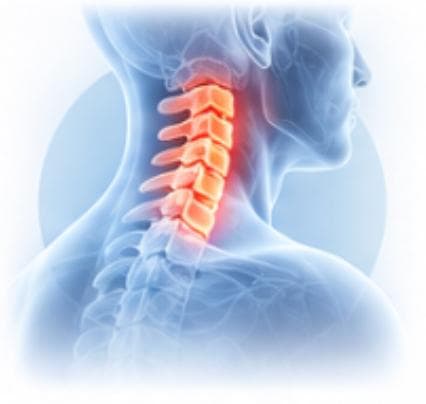
Cervical spine surgery relieves pressure on the spinal cord or nerve roots in the neck, performed for degenerative, traumatic, or deformity-related conditions of the cervical spine.
How It's Performed
Depending on the condition, surgery may involve removing the source of nerve or spinal cord compression (decompression), with or without fusion to stabilise the affected segment. The specific approach — anterior or posterior — is chosen based on the location and nature of the problem.
Conditions Treated
- — Cervical disc herniation
- — Cervical spondylotic myelopathy
- — Cervical radiculopathy
- — Cervical spine fractures or instability
Benefits
- — Relief of arm and neck pain, numbness and weakness
- — Improved neck stability
- — Techniques selected to the specific condition
- — Structured post-operative rehabilitation
Recovery
Recovery is guided by physiotherapy and a gradual return to normal neck movement and activity, with the timeline depending on whether fusion was performed and the extent of surgery.
Is This Right For You?
Not every patient with cervical disc herniation or a related condition needs cervical spine surgery. Dr. Nirmal Patil, MS (Ortho) reviews your symptoms, clinical examination, and imaging to confirm whether this is the right approach for you, or whether conservative treatment is more appropriate.
Risks & Considerations
As with any surgical procedure, cervical spine surgery carries risks, which can include infection, bleeding, and the possibility that symptoms do not fully resolve. These risks, along with the alternatives, are discussed in detail during consultation before any decision to proceed.
Frequently Asked Questions
What conditions does cervical spine surgery treat?
It is used to treat conditions such as cervical disc herniation, spinal cord compression (myelopathy), nerve root compression (radiculopathy), and cervical spine fractures or instability.
Is neck surgery risky?
As with any spine surgery, there are risks including infection, bleeding, and nerve injury. Your surgeon will discuss the specific risks and benefits relevant to your condition before any decision to proceed.
How long does recovery take after cervical spine surgery?
Recovery varies with the extent of surgery and whether fusion was performed, typically involving weeks to a few months of guided activity increase and physiotherapy.
Will I need a neck brace after cervical spine surgery?
Some patients are advised to wear a cervical collar for a period after surgery to support healing — your surgeon will advise if and for how long this applies to your case.
What is cervical spondylotic myelopathy?
It is compression of the spinal cord in the neck due to degenerative changes in the cervical spine, which can cause symptoms such as hand clumsiness, gait difficulty, and weakness.
Can cervical spine problems be treated without surgery?
Many cervical spine conditions are initially managed with medication, physiotherapy, and activity modification. Surgery is generally considered when symptoms are severe, progressive, or unresponsive to conservative treatment.
Discuss your case with Dr. Nirmal Patil, MS (Ortho)
Every case is different. Book a consultation to review your symptoms and imaging.