Orthopaedics
Hip Replacement Surgery
Hip replacement surgery replaces a damaged hip joint with an artificial implant to relieve pain and restore mobility in patients with severe hip arthritis or joint damage.
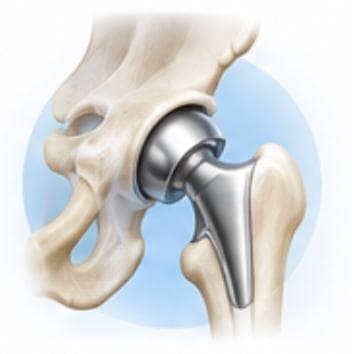
How It's Performed
Under anesthesia, the damaged femoral head and hip socket (acetabulum) are removed and replaced with prosthetic components designed to recreate natural hip movement.
Conditions Treated
- — Osteoarthritis of the hip
- — Avascular necrosis of the femoral head
- — Hip fractures in selected patients
- — Rheumatoid arthritis affecting the hip
Benefits
- — Significant pain relief
- — Improved mobility and walking ability
- — Correction of limb-length discrepancy or deformity in suitable cases
Recovery
Recovery involves early mobilization with walking aids, a structured physiotherapy programme, and a gradual return to normal activities over several weeks to months.
Is This Right For You?
Not every patient with osteoarthritis of the hip or a related condition needs hip replacement surgery. Dr. Nirmal Patil, MS (Ortho) reviews your symptoms, clinical examination, and imaging to confirm whether this is the right approach for you, or whether conservative treatment is more appropriate.
Risks & Considerations
As with any surgical procedure, hip replacement surgery carries risks, which can include infection, bleeding, and the possibility that symptoms do not fully resolve. These risks, along with the alternatives, are discussed in detail during consultation before any decision to proceed.
Frequently Asked Questions
Who needs hip replacement surgery?
It is typically considered for patients with severe hip pain and disability from arthritis or joint damage that has not responded to conservative treatments such as medication and physiotherapy.
How long does hip replacement surgery take?
Surgical time varies by case complexity and surgical approach; your surgeon can give you an estimate specific to your situation during consultation.
When can I walk after hip replacement?
Many patients begin walking with support soon after surgery, with weight-bearing and mobility increasing gradually under physiotherapy guidance.
How long do hip implants last?
Modern hip implants are designed to last many years, though longevity depends on factors like activity level, weight, and overall health.
Is minimally invasive hip replacement available?
Certain minimally invasive approaches may be appropriate for some patients — whether this applies to you depends on your specific condition and anatomy, which your surgeon will assess.
Discuss your case with Dr. Nirmal Patil, MS (Ortho)
Every case is different. Book a consultation to review your symptoms and imaging.