Orthopaedics
Shoulder Dislocation Treatment
Shoulder dislocation occurs when the upper arm bone is displaced from the shoulder socket. Treatment ranges from closed reduction and immobilization to surgical stabilization for patients with recurrent instability.
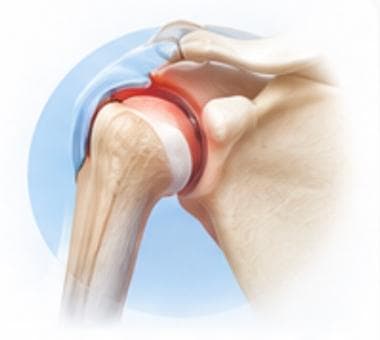
How It's Performed
Initial treatment involves closed reduction (repositioning the joint) and immobilization. For recurrent instability, arthroscopic or open stabilization surgery may be recommended to repair damaged ligaments or labrum.
Conditions Treated
- — Traumatic shoulder dislocation
- — Recurrent shoulder instability
- — Labral tears associated with dislocation (Bankart lesions)
- — Sports-related shoulder injuries
Benefits
- — Restored shoulder stability
- — Reduced risk of repeat dislocation
- — Improved confidence in using the shoulder for daily and sporting activities
Recovery
Recovery typically involves a period of immobilization followed by a structured physiotherapy programme to restore shoulder strength and range of motion.
Is This Right For You?
Not every patient with traumatic shoulder dislocation or a related condition needs shoulder dislocation treatment. Dr. Nirmal Patil, MS (Ortho) reviews your symptoms, clinical examination, and imaging to confirm whether this is the right approach for you, or whether conservative treatment is more appropriate.
Risks & Considerations
As with any surgical procedure, shoulder dislocation treatment carries risks, which can include infection, bleeding, and the possibility that symptoms do not fully resolve. These risks, along with the alternatives, are discussed in detail during consultation before any decision to proceed.
Frequently Asked Questions
What should I do immediately after a shoulder dislocation?
Seek medical attention promptly — a doctor will need to reposition the joint safely (closed reduction) and assess for associated injuries before deciding on further treatment.
Will my shoulder dislocate again?
The risk of recurrence varies with age, activity level, and the extent of ligament or labral damage from the initial injury — your surgeon can assess your individual risk.
Do all shoulder dislocations need surgery?
No — many first-time dislocations are managed with reduction, immobilization, and physiotherapy. Surgery is generally considered for recurrent instability or significant associated damage.
What is a Bankart lesion?
It is a tear of the labrum (the cartilage rim of the shoulder socket) that commonly occurs with shoulder dislocation and can contribute to ongoing instability if not addressed.
How long is recovery after shoulder stabilization surgery?
Recovery involves an initial period of protected movement followed by progressive physiotherapy, typically over several months, before a full return to sport or heavy activity.
Discuss your case with Dr. Nirmal Patil, MS (Ortho)
Every case is different. Book a consultation to review your symptoms and imaging.