Orthopaedics
Rotator Cuff Repair
Rotator cuff repair is a surgical procedure to reattach torn shoulder tendons, performed when conservative treatment does not relieve pain or restore function in patients with a significant rotator cuff tear.
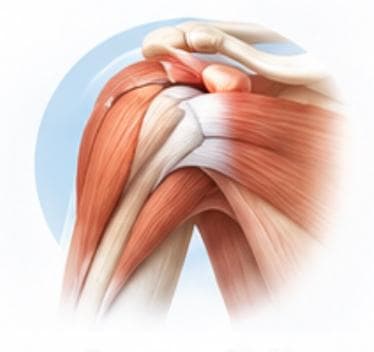
How It's Performed
Rotator cuff repair is usually performed arthroscopically. The torn tendon is reattached to the bone using specialized suture anchors, restoring the tendon's normal attachment.
Conditions Treated
- — Partial-thickness rotator cuff tears
- — Full-thickness rotator cuff tears
- — Shoulder weakness affecting overhead movement
- — Persistent shoulder pain from tendon injury
Benefits
- — Pain relief
- — Restored shoulder strength and function
- — Improved ability to perform overhead activities
Recovery
Recovery involves a period of arm immobilization in a sling, followed by progressive physiotherapy to restore strength and motion, typically over several months.
Is This Right For You?
Not every patient with partial-thickness rotator cuff tears or a related condition needs rotator cuff repair. Dr. Nirmal Patil, MS (Ortho) reviews your symptoms, clinical examination, and imaging to confirm whether this is the right approach for you, or whether conservative treatment is more appropriate.
Risks & Considerations
As with any surgical procedure, rotator cuff repair carries risks, which can include infection, bleeding, and the possibility that symptoms do not fully resolve. These risks, along with the alternatives, are discussed in detail during consultation before any decision to proceed.
Frequently Asked Questions
How do I know if I have a rotator cuff tear?
Common symptoms include shoulder pain (especially with overhead movement or at night), weakness, and difficulty lifting the arm. Diagnosis is confirmed with clinical examination and imaging such as MRI or ultrasound.
Do all rotator cuff tears need surgery?
No — smaller or partial tears, particularly in less active patients, may be managed conservatively with physiotherapy and activity modification. Surgery is generally considered for larger tears or when conservative treatment fails.
How long is the sling worn after rotator cuff repair?
This varies by the size of the tear and the repair technique used — your surgeon will advise a specific timeline based on your procedure.
When can I return to sport after rotator cuff surgery?
Return to sport is gradual and guided by physiotherapy milestones, typically taking several months to ensure the repair has adequately healed.
Can a rotator cuff tear get worse if untreated?
Some tears can progress over time, potentially leading to increased pain, weakness, and more extensive tearing — an evaluation can help determine the appropriate treatment path for your specific tear.
Discuss your case with Dr. Nirmal Patil, MS (Ortho)
Every case is different. Book a consultation to review your symptoms and imaging.